Protein Metabolism Research
Understanding protein distribution, muscle protein synthesis, and the physiological mechanisms underlying dietary protein utilization represents a significant domain within nutritional science. This collection presents scientific explanations and research findings addressing these topics.

Scientific Articles
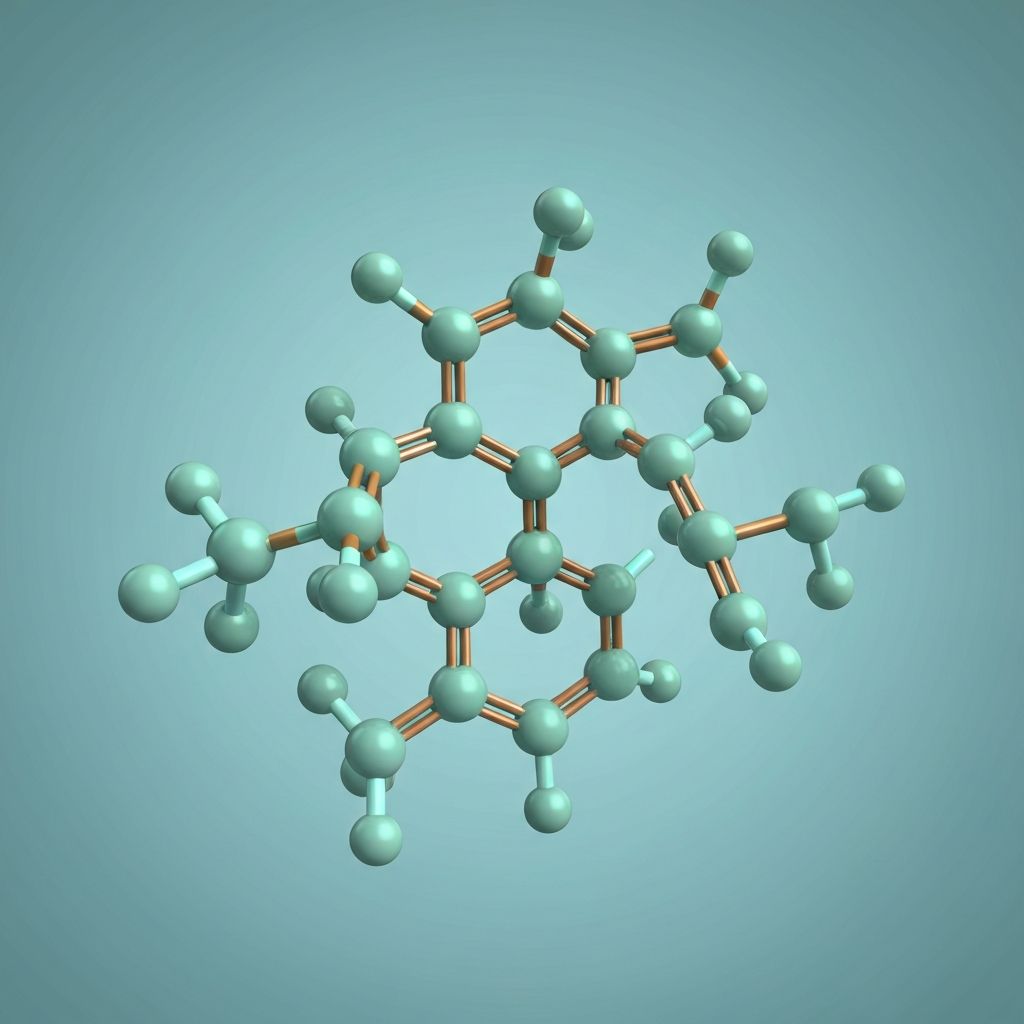
Leucine Threshold and Muscle Protein Synthesis Triggering
Detailed biochemical explanation of how leucine functions as a signaling molecule and the approximate 2.5-3 gram threshold required for maximal mTORC1 activation and muscle protein synthesis stimulation.
Continue reading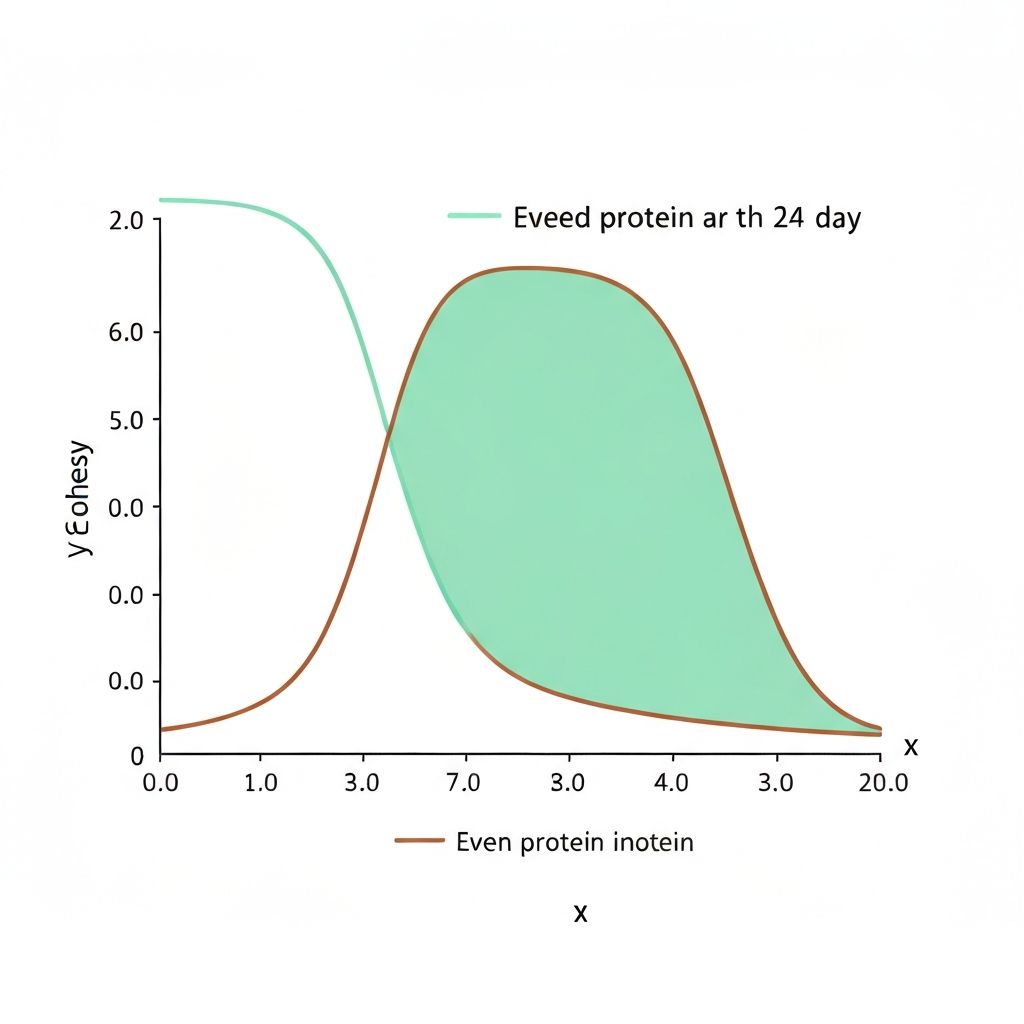
Even Protein Distribution Effects on 24-Hour MPS
Research examining how distributing daily protein intake evenly across multiple meals affects the temporal pattern of whole-day muscle protein synthesis in young and older adult populations.
Continue reading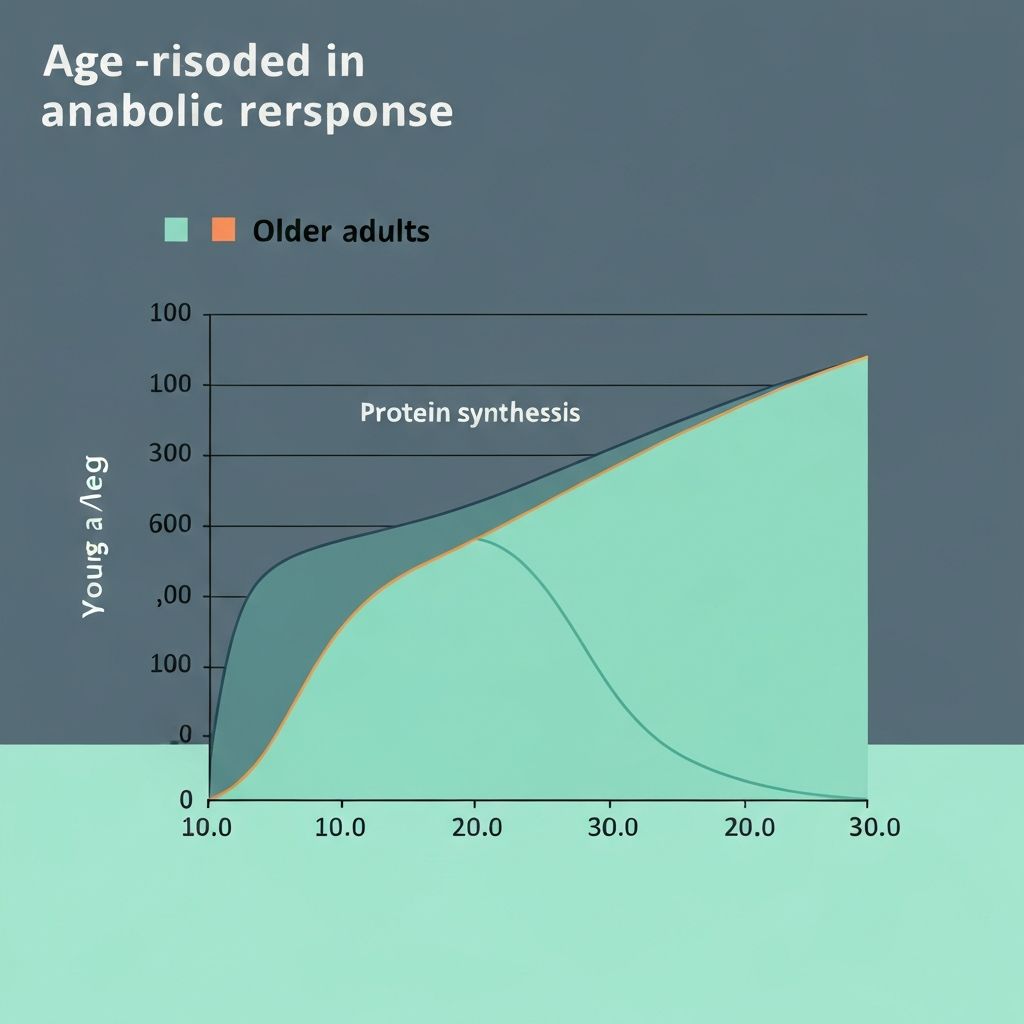
Anabolic Resistance in Ageing: Protein Dose Implications
Investigation of age-related alterations in cellular responsiveness to dietary protein and the implications for understanding protein requirements in older adult populations.
Continue reading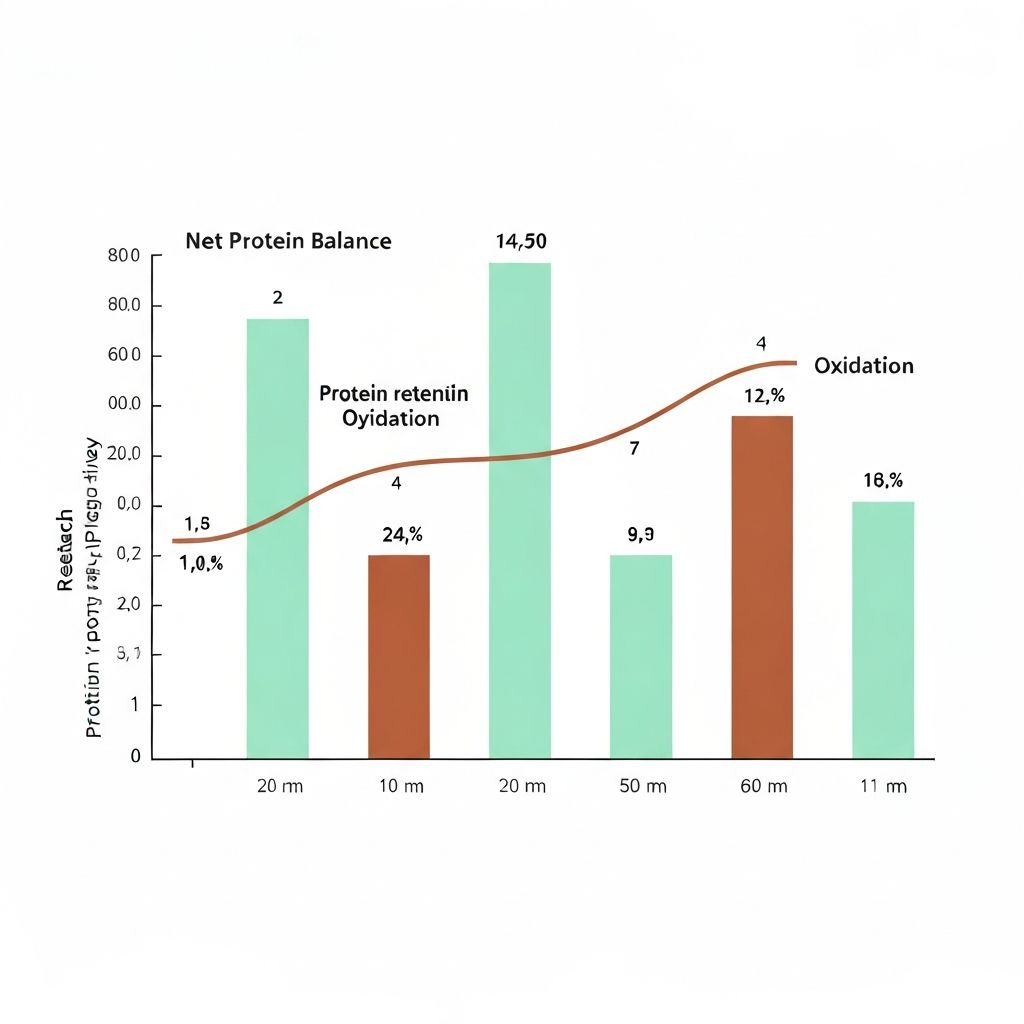
Skewed vs Spread Protein Intake: Net Protein Balance Data
Comparative analysis of whole-day muscle protein balance outcomes examining the effects of concentrated versus distributed protein intake on net daily protein retention.
Continue reading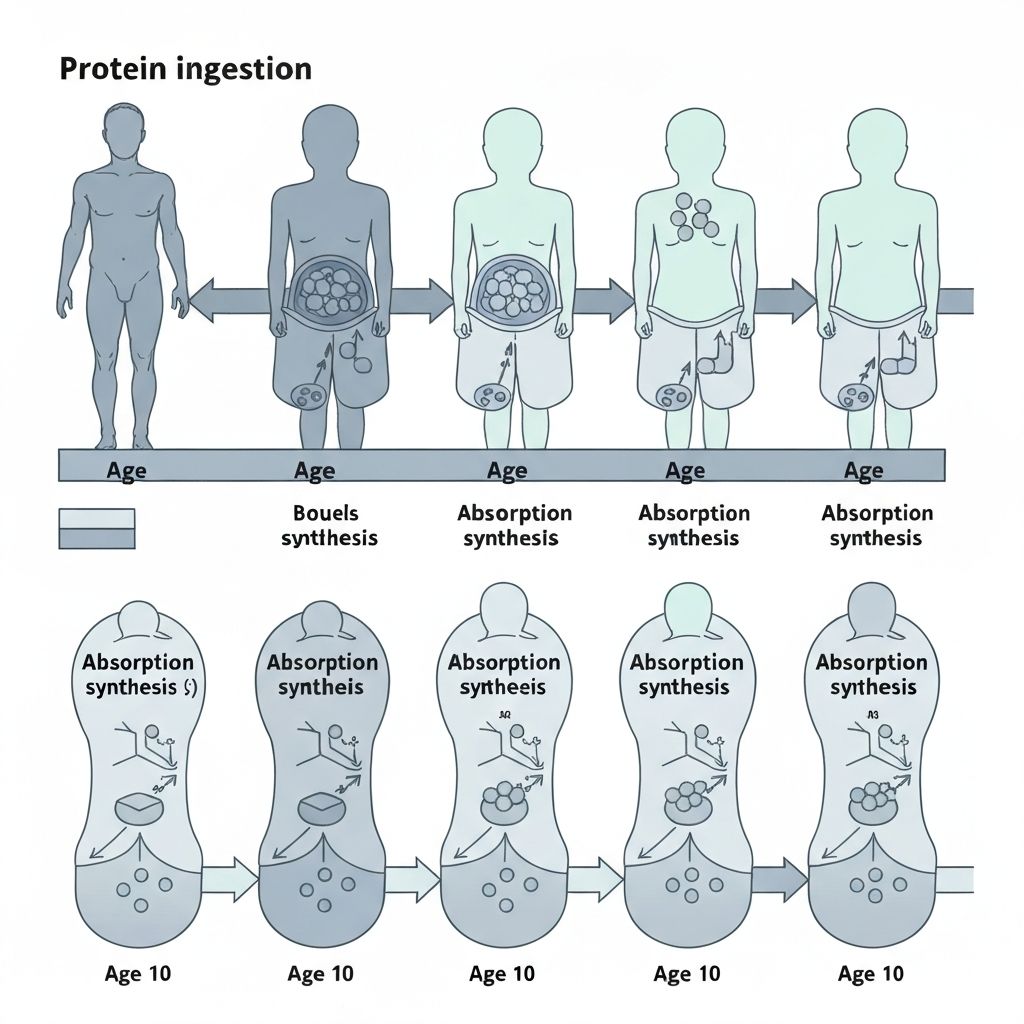
Age-Specific Responses to Protein Ingestion Patterns
Comparative study of how different age groups respond metabolically to varying protein distribution patterns using controlled feeding study methodologies.
Continue reading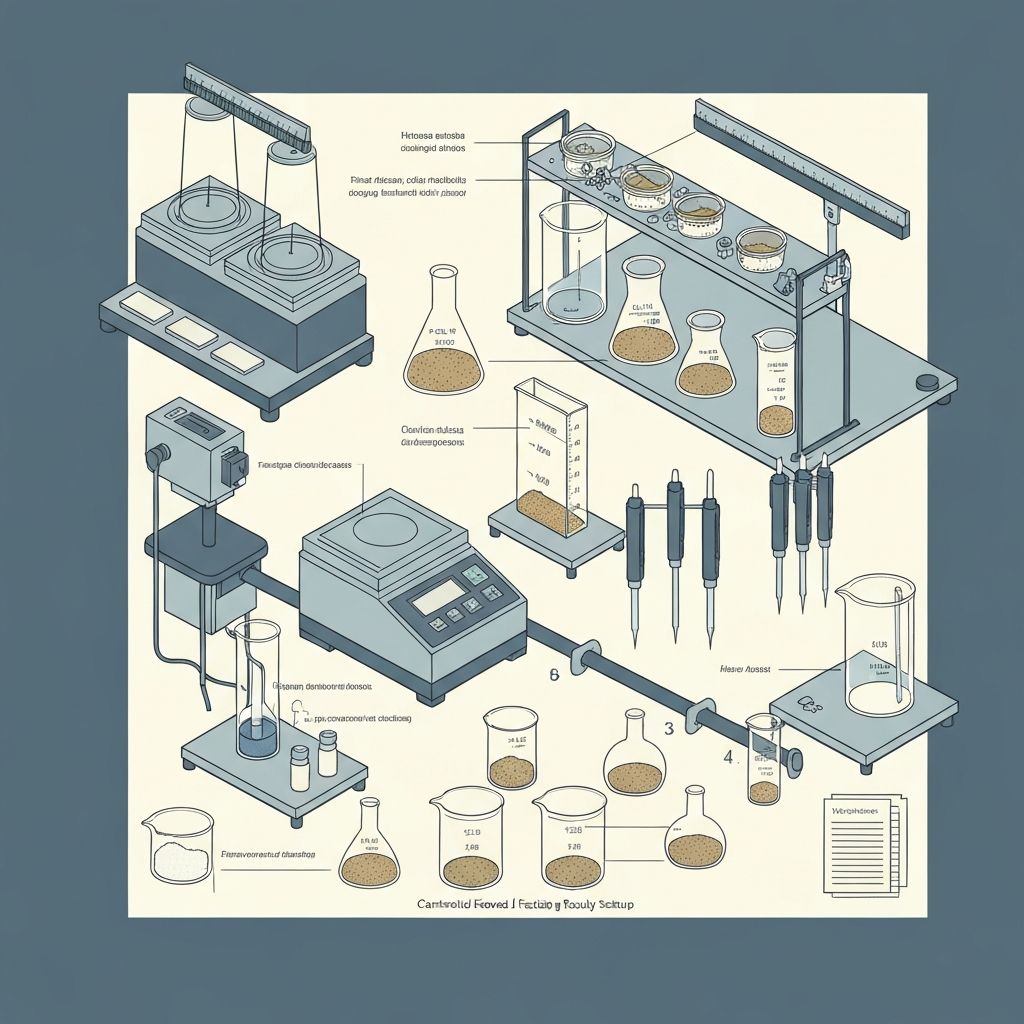
Protein Distribution in Controlled Feeding Studies
Methodological overview of how controlled feeding experiments investigating protein distribution, amino acid metabolism, and muscle protein synthesis are designed and conducted.
Continue readingResearch Scope
The articles presented address several interconnected dimensions of nutritional protein physiology:
Biochemical Mechanisms
Understanding the molecular pathways through which amino acids, particularly leucine, signal and activate the cellular processes responsible for synthesizing new muscle proteins.
Temporal Patterns
Examining how the timing and distribution of protein intake throughout the day influences the pattern of muscle protein synthesis and whole-day protein balance.
Population Differences
Investigating how physiological responses to dietary protein vary across age groups and activity levels, with particular attention to age-related changes in protein responsiveness.
Experimental Methodologies
Exploring the research approaches used to measure muscle protein synthesis, protein balance, and metabolic responses to controlled dietary interventions.
Educational content only. No individual recommendations or promises of outcomes. These articles present scientific explanations and research findings without offering personal advice or claims regarding individual results. For specific guidance, consult appropriate professionals.
Return to home